
Urban Arts is a mixed‑media modern art gallery that showcases sculpture, photography, contemporary painting, installations, and experimental visual work. The gallery is designed to appeal to young adults, students, and emerging creatives who engage with modern artistic expression. The purpose of this UX design statement is to outline the design challenge for the Urban Arts mobile app and explain how the app will address the issues identified through my research. The goal is to create a digital experience that enhances how visitors plan, navigate, and engage with the gallery.
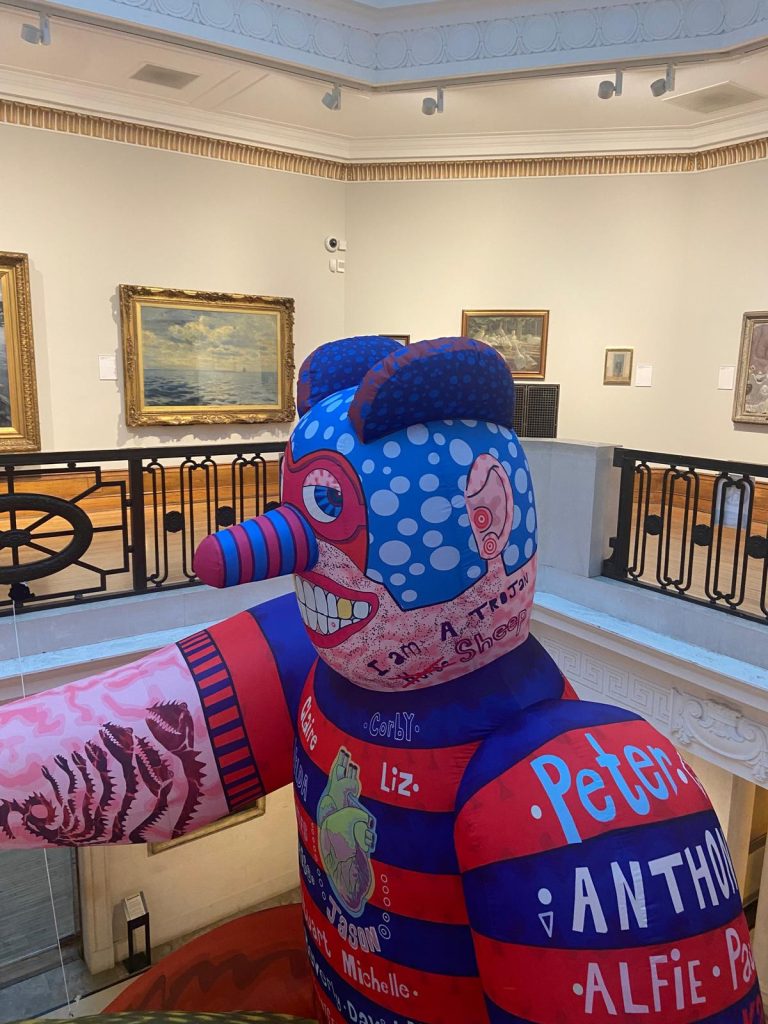
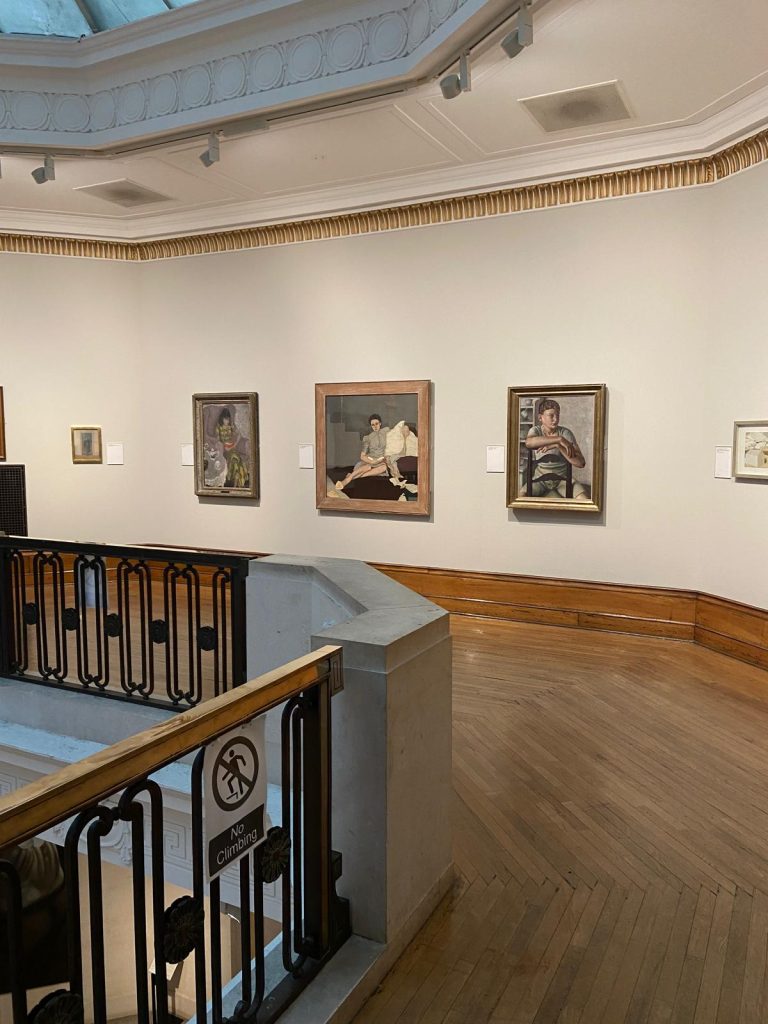
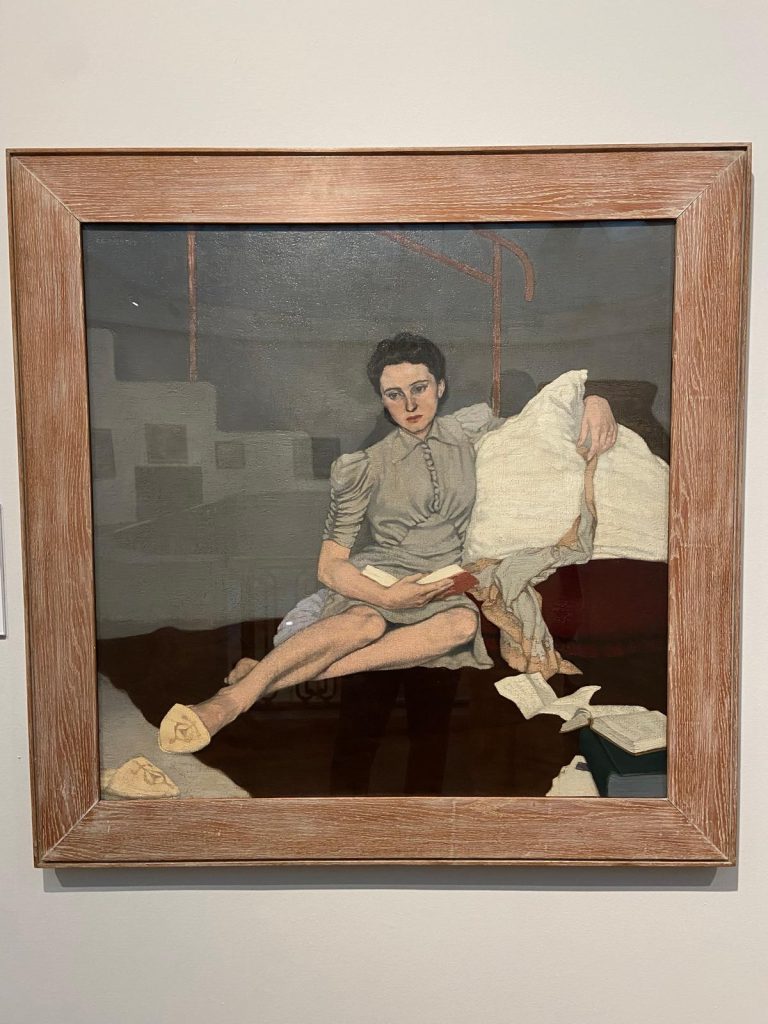
The design challenge centres on improving the visitor experience by addressing gaps in navigation, accessibility, and information clarity. My field research at Ferens Art Gallery revealed several issues that commonly affect gallery visitors: small signage, hard‑to‑read labels, inconsistent lighting, and limited accessibility information. These physical barriers make it difficult for visitors to understand the context of artworks or move confidently through the space. Competitor platforms such as the Tate app and the MoMA website also demonstrated problems, including congested layouts, unclear navigation, and poor visual hierarchy. These findings highlight a broader problem space in which both physical and digital gallery experiences often fail to support users effectively.
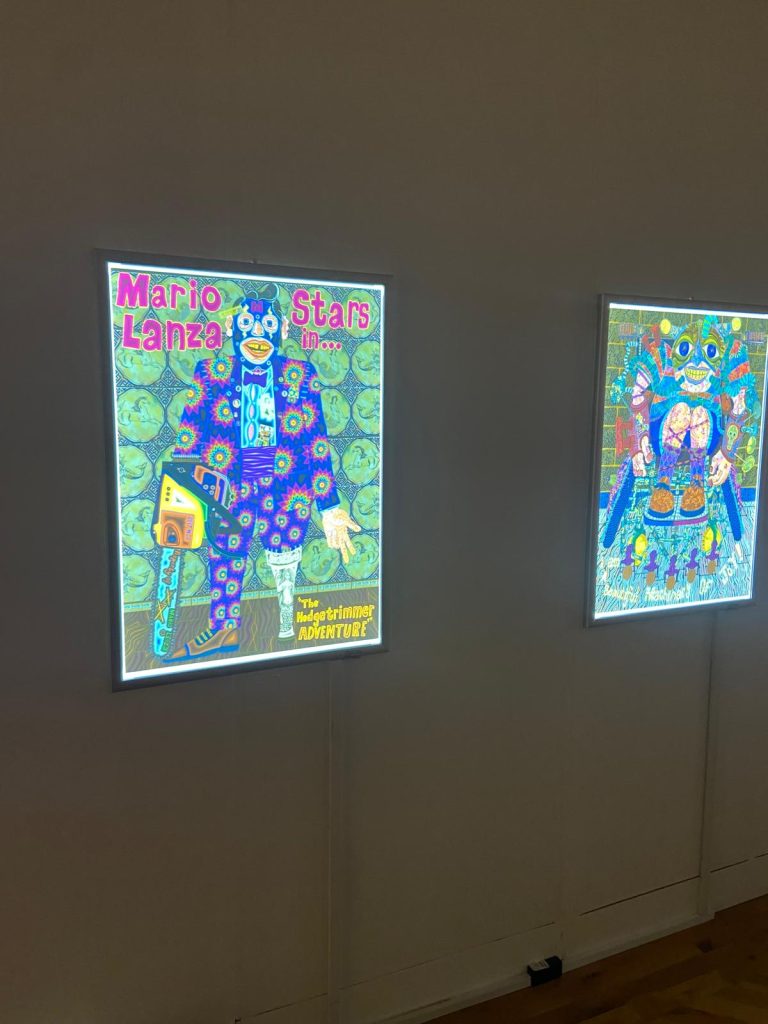
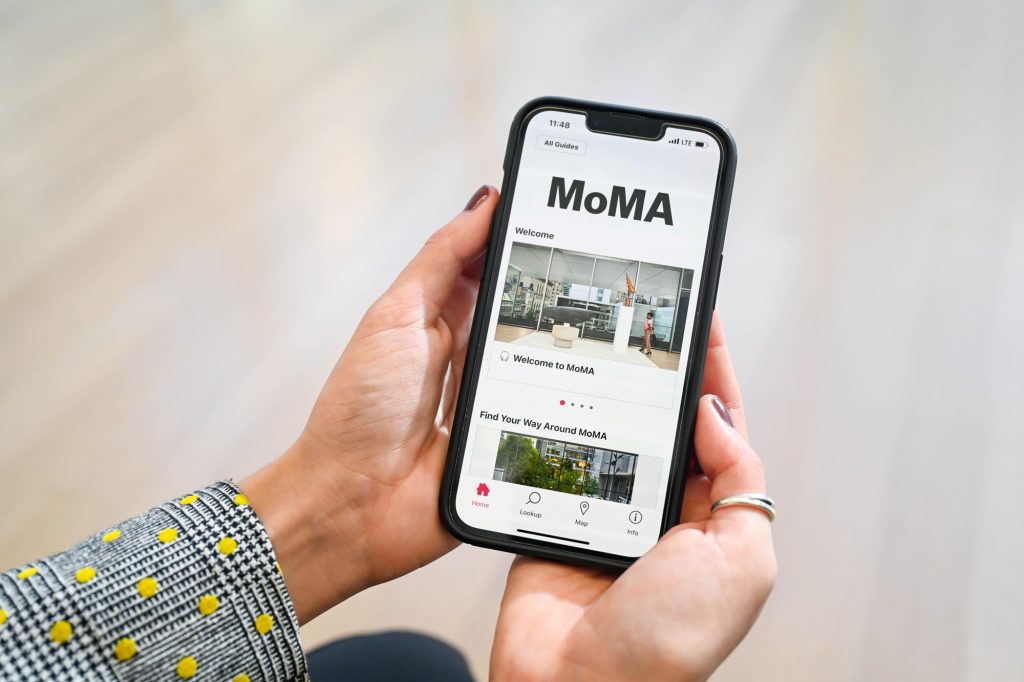
The Urban Arts app aims to solve these issues by providing a clear, structured, and accessible digital companion. The app will help users plan their visit, navigate the gallery, and access meaningful information about artworks and exhibitions. My target audience consists of students and art lovers who value clarity, creativity, and depth. This is represented by my persona, Amara, a fine art student who prefers structured information and a calm digital experience. Her needs reflect the expectations of many young gallery visitors who want both quick access to essential details and the option to explore deeper content.
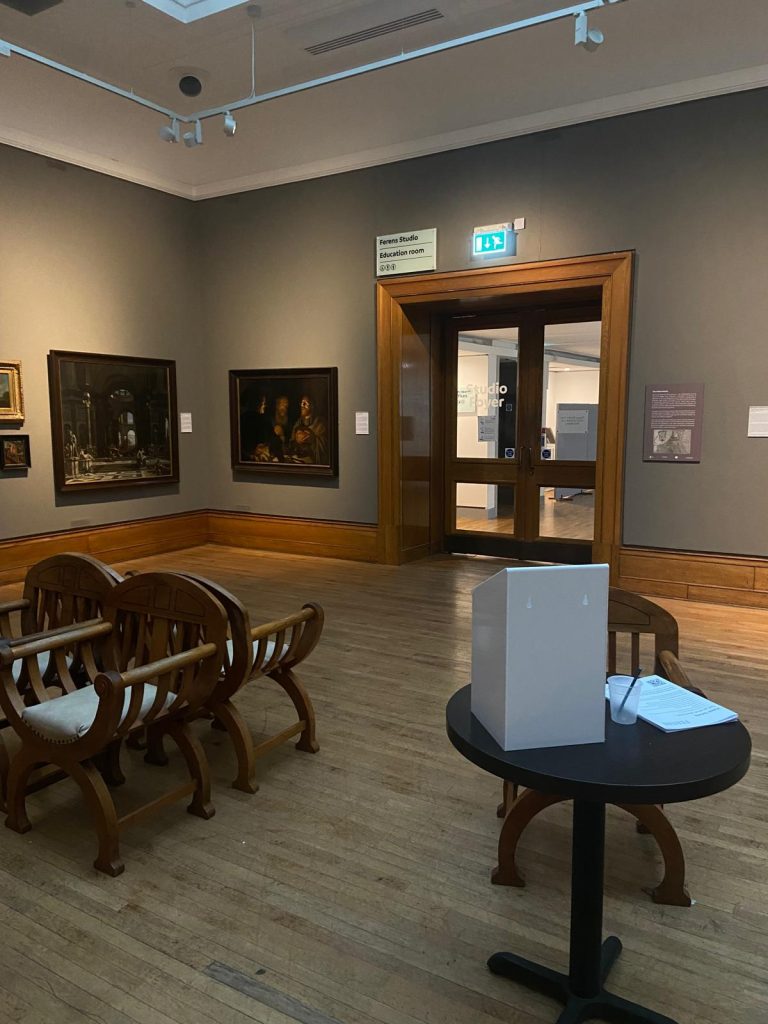
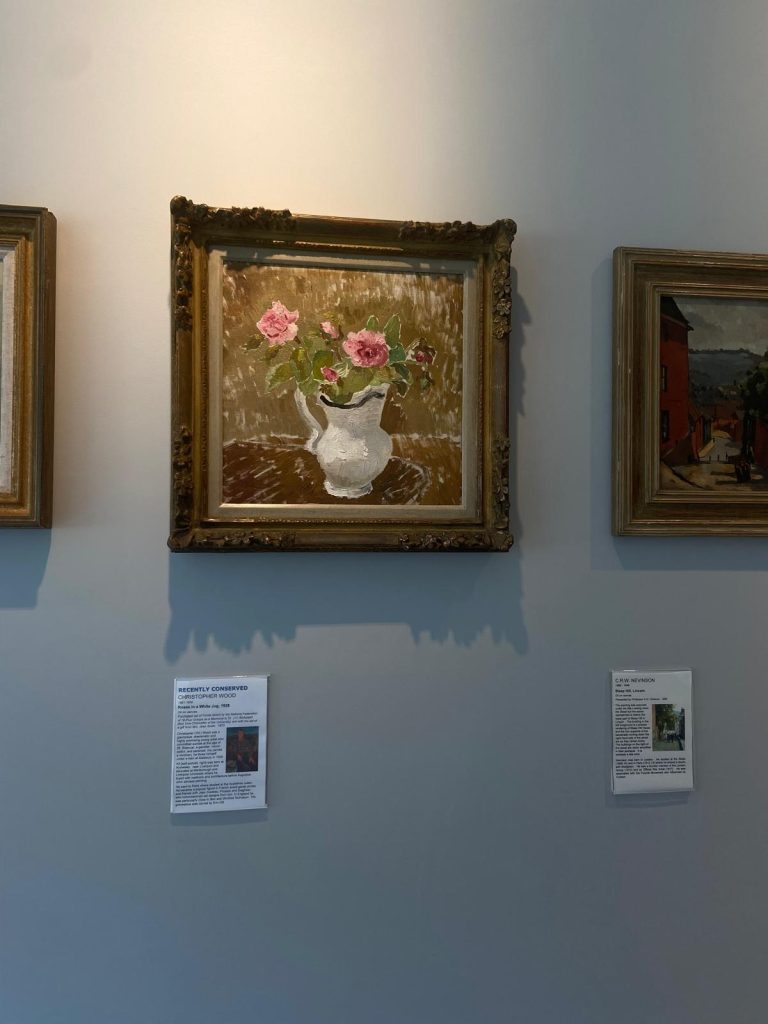
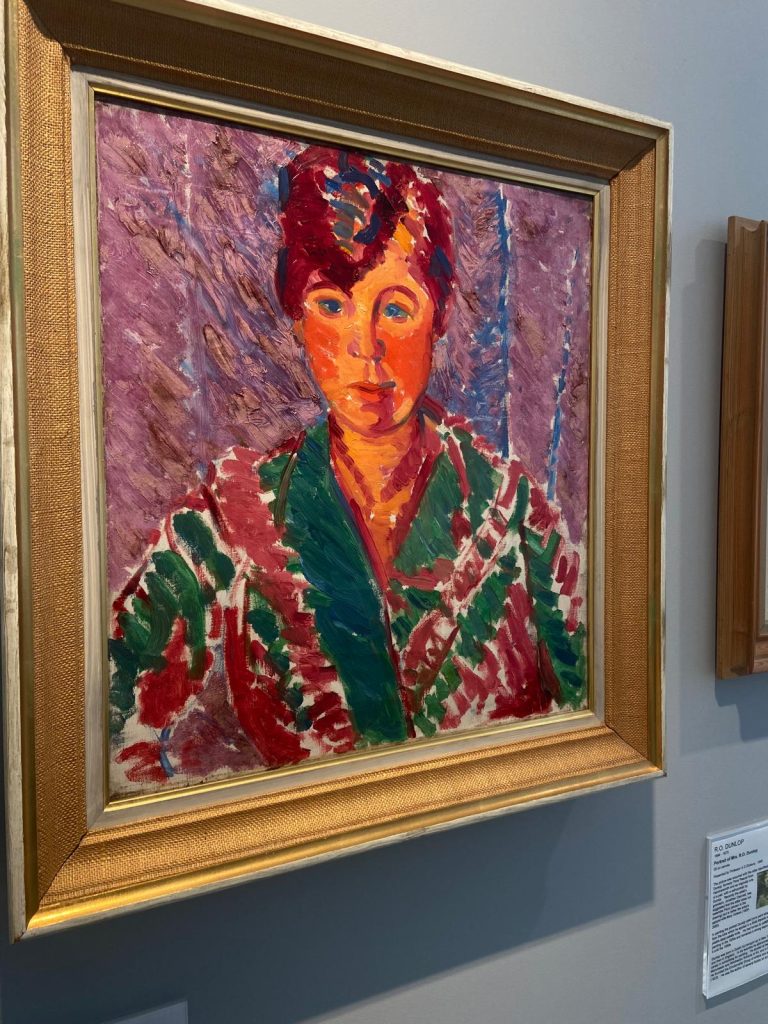
The usability goals for the Urban Arts app focus on clarity, accessibility, efficiency, and reduced cognitive load. The interface must allow users to find key information such as exhibition details, opening times, and event listings quickly and without confusion. Accessibility is essential, meaning the app will use high‑contrast colour combinations, scalable text, alt text for images, and predictable navigation patterns. These decisions ensure that the app is inclusive for users with different abilities and preferences. Efficiency will be supported through clear menus, consistent spacing, and a logical content structure that helps users move through the app with confidence.
The UI goals emphasise a modern, minimal, and visually balanced design that reflects the contemporary identity of Urban Arts. Clean sans‑serif typography, structured layouts, and strong visual hierarchy will guide users’ attention and reduce visual clutter. The colour palette will be bold yet balanced, supporting readability and aesthetic appeal. Interactive elements will be intuitive and consistent, helping users feel comfortable navigating the app.
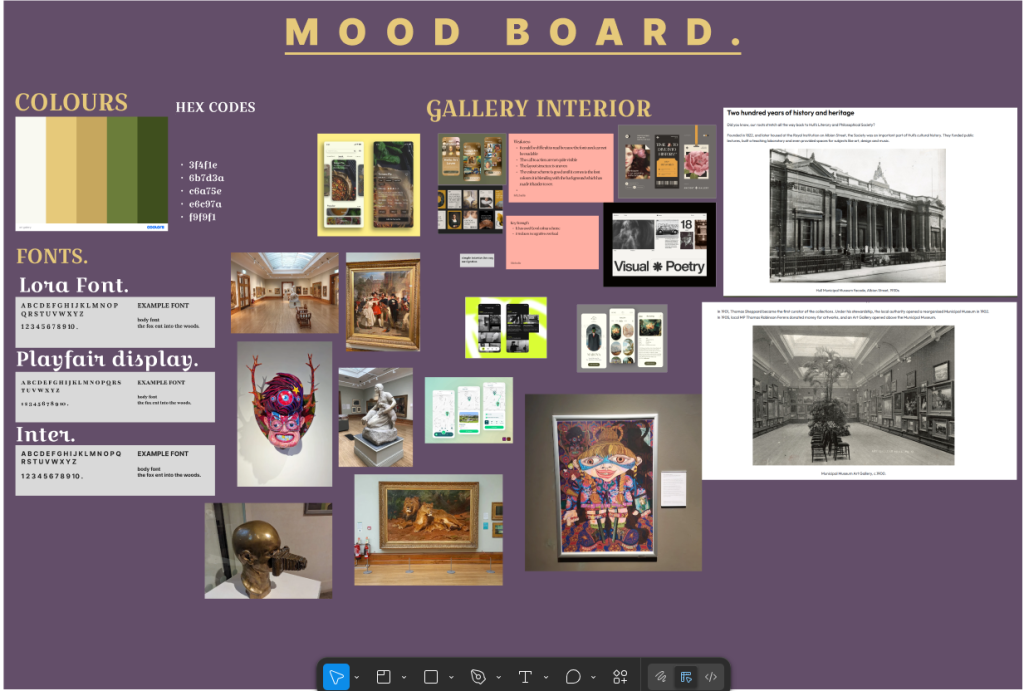
Key assumptions include that users have access to smartphones, are comfortable with digital tools, and may require offline access due to inconsistent Wi‑Fi in the gallery. The design also assumes that users want both quick information and deeper context depending on their goals.
Overall, the Urban Arts app aims to create a user‑centred, accessible, and visually engaging digital experience that enhances the modern gallery environment.
Reference List
Ferens Art Gallery (n.d.) Ferens Art Gallery. Hull Museums. Available at: https://www.hullmuseums.co.uk/ferens-art-gallery (Accessed: 10 May 2026).
Tate (n.d.) Tate App. Tate. Available at: https://www.tate.org.uk (Accessed: 10 May 2026).
Museum of Modern Art (MoMA) (n.d.) MoMA. The Museum of Modern Art. Available at: https://www.moma.org (Accessed: 10 May 2026).
Nielsen Norman Group (2020) 10 Usability Heuristics for User Interface Design. Nielsen Norman Group. Available at:https://www.nngroup.com/articles/ten-usability-heuristics/ (Accessed: 12 May 2026).
W3C (2018) Web Content Accessibility Guidelines (WCAG) 2.1. World Wide Web Consortium. Available at: https://www.w3.org/TR/WCAG21 (Accessed: 12 May 2026).
