
When developing my urban mobile app, I did some user and market research on my competitors and standards. This research ensures that the final design is grounded in real user behaviour and addresses gaps identified in existing gallery experiences.
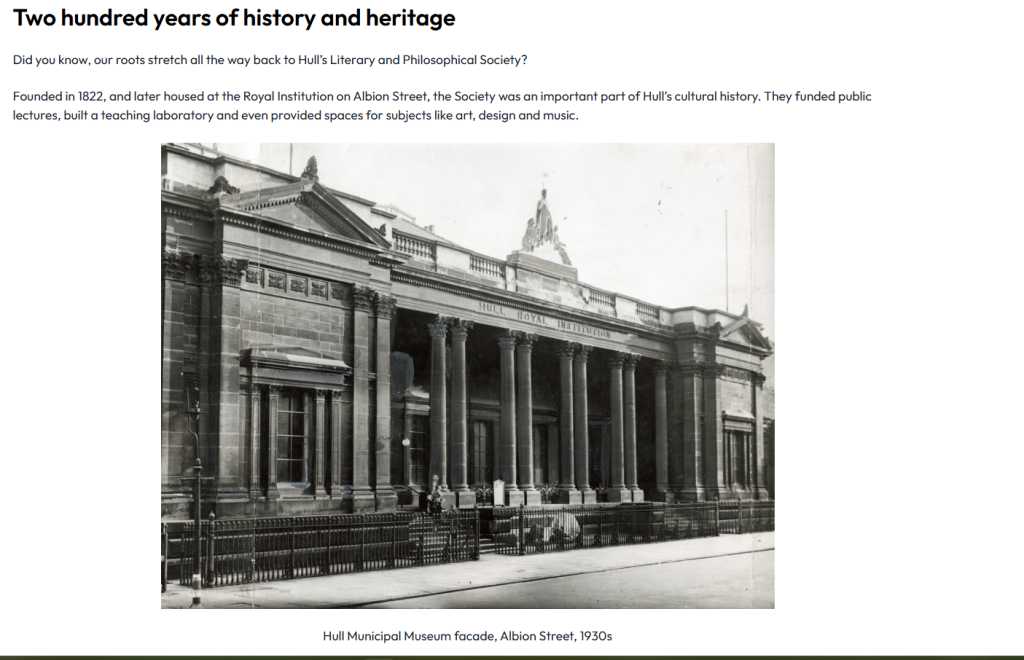
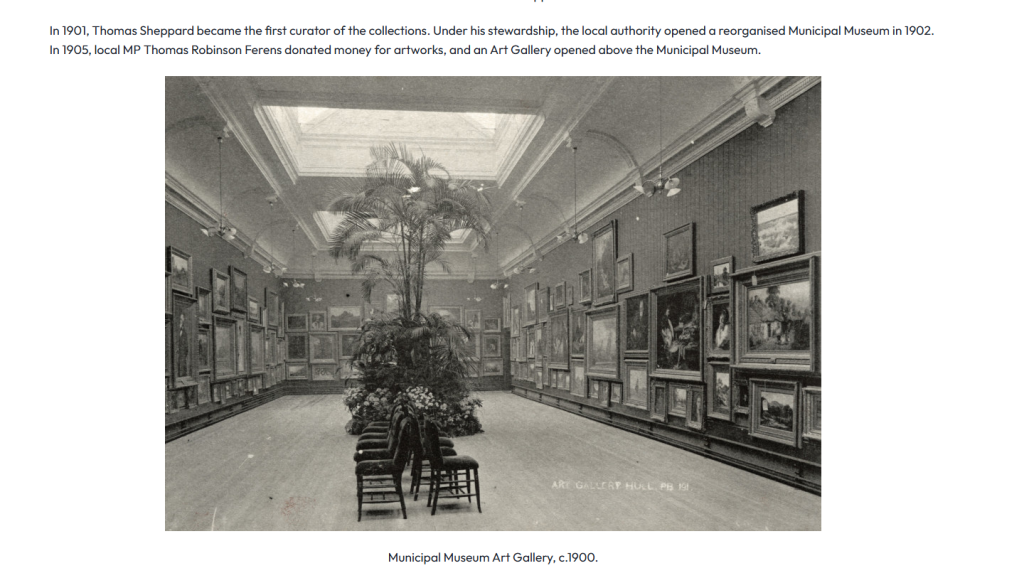
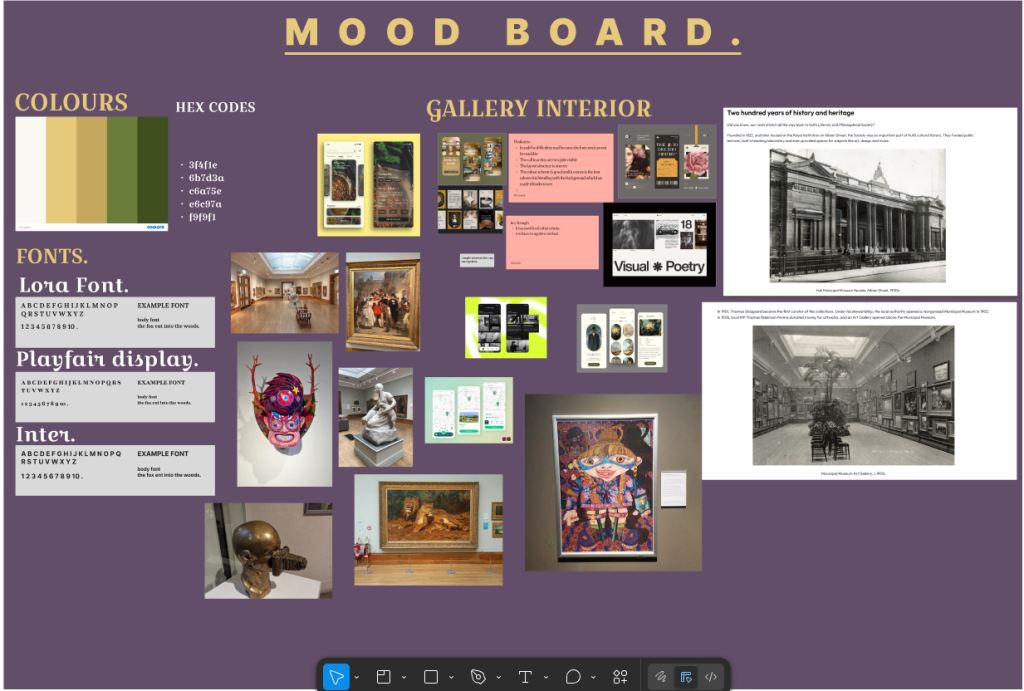
The Ferens Art Gallery website, the Tate app, and the MoMA website were the primary focus of my competitor analysis. The Ferens website is functional but visually outdated, with few interactive features and minimal support for scheduling a visit.
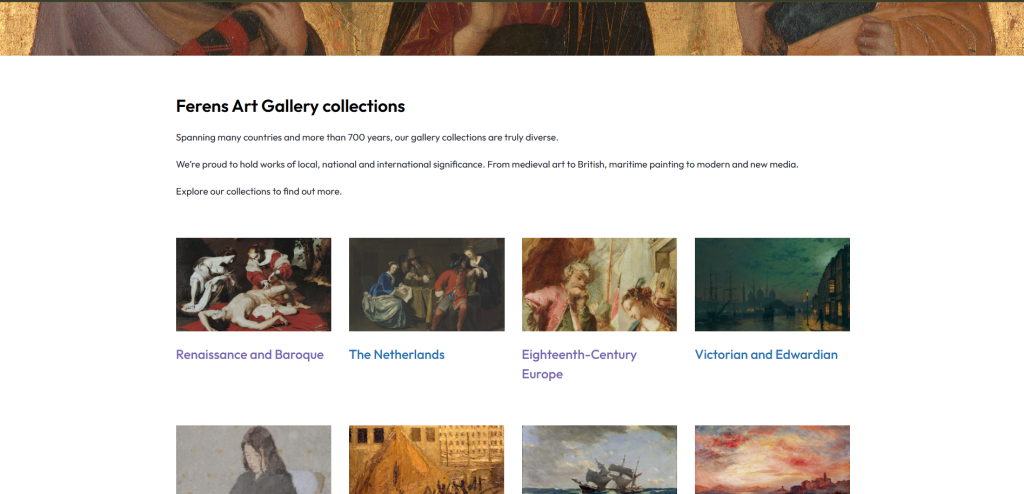
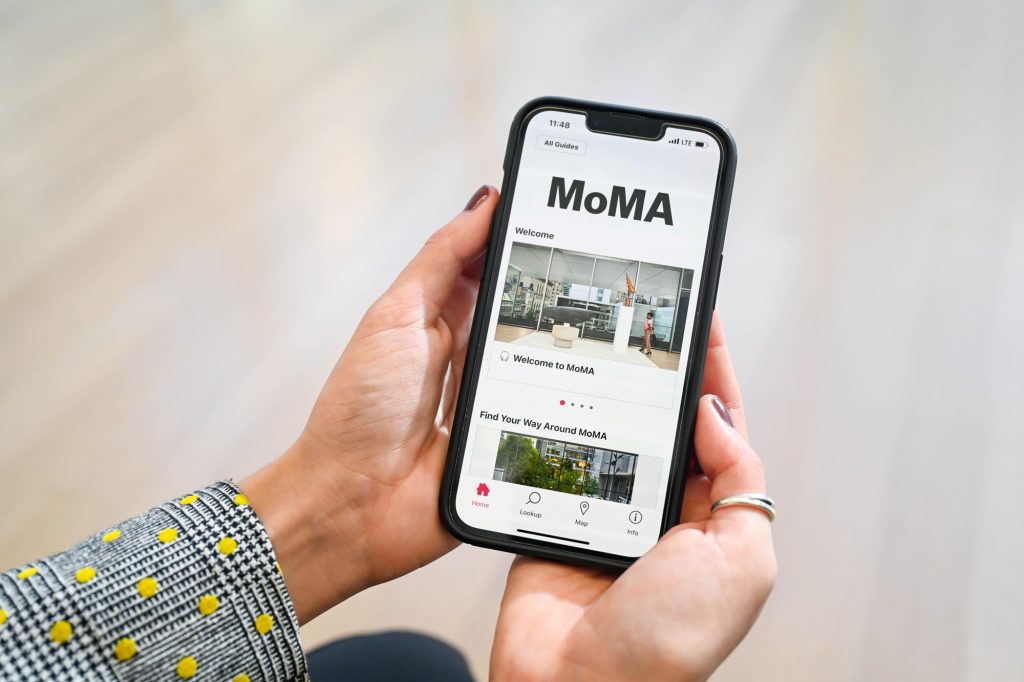
Accessibility emerged as a significant concern across all three platforms. Common issues included low‑contrast colour combinations, small or unreadable fonts, inconsistent hierarchy, and limited support for screen readers. Some platforms used colour schemes where text blended into the background, reducing readability. Others relied on complex layouts that made navigation difficult for users with visual or cognitive impairments. According to WCAG guidelines, accessible design requires clear contrast, scalable text, alt text for images, and predictable navigation structures. These principles will guide the Urban Arts app to ensure it is inclusive for all visitors.
They received secondary feedback from Reddit forums and app store reviews that showed the recurring frustrations. They have frequently mentioned the maps, excessive texts, slow loading times, and difficulty in finding event information. Many expressed that apps felt “overdesigned” or “too busy”, making it hard to focus on essential content. Others noted that apps lacked offline functionality, which is problematic in buildings with poor signals. These insights reinforce the need for a clean, intuitive interface that prioritises clarity and efficiency.
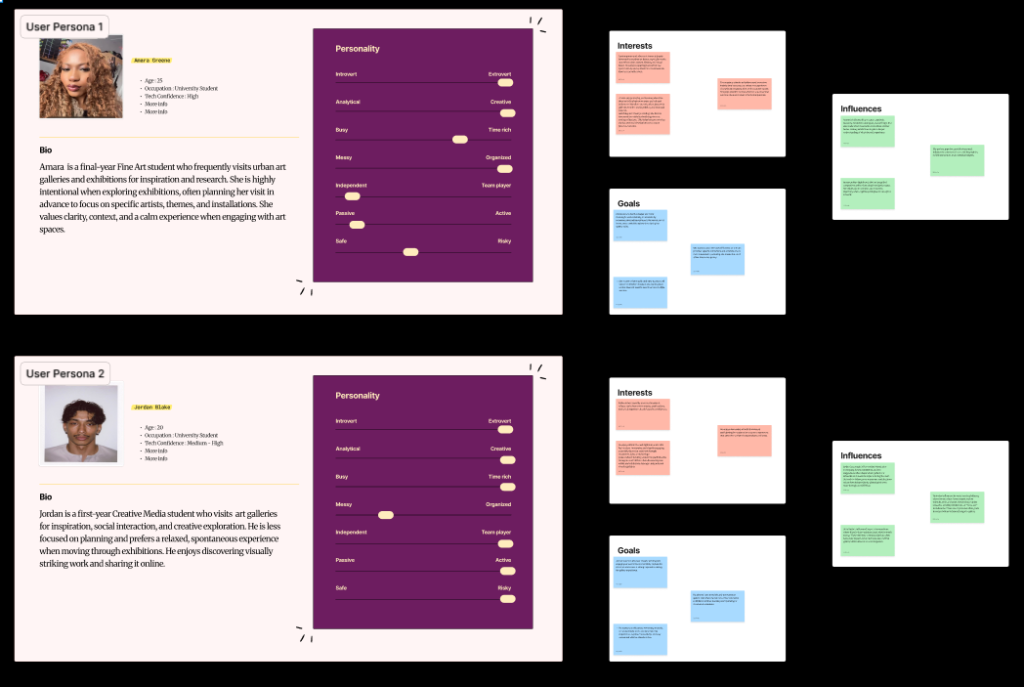
My target audience is the university students and art lovers who value both quality and an aesthetic layout. To represent this group, I developed a persona: Amara Greene, a 25‑year‑old fine art student with high digital confidence. Amara seeks structured, informative content such as artist biographies, exhibition themes, and curatorial insights. She values clarity, context, and a calm digital experience that supports her academic and creative interests. Her goals include planning visits efficiently, accessing detailed artwork information, and engaging deeply with contemporary and urban art.
The stakeholders of my urban arts app are the gallery owners, the marketing teams, the curators and the bigger community. For them, success is better accessibility, greater event attendance, more visitor engagement and a stronger online presence. They want an app that supports cultural and educational objectives and reflects the gallery’s contemporary personality. The research shows that users want an app with better visuals, accessibility and easier navigation; the stakeholders want a platform that shows and enhances the engagement of the offering. The gallery informs the design of the urban app and makes sure it meets the users’ needs and objectives. For them, success means better access, more people attending events, greater visitor engagement and a stronger online presence. They want an app that is culturally and educationally relevant but also reflects the contemporary personality of the gallery.
The research shows that users want an app with better visuals, accessibility and easier navigation. The stakeholders want a platform that shows and enhances the engagement of the offering. The gallery demonstrates the design of the urban app and verifies that it is in line with the users’ needs and objectives.
Ferens Art Gallery (n.d.) Ferens Art Gallery. Hull Museums. Available at: https://www.hullmuseums.co.uk/ferens-art-gallery (Accessed: 10 May 2026).
Tate (n.d.) Tate App. Tate. Available at: https://www.tate.org.uk (Accessed: 10 May 2026).
Museum of Modern Art (MoMA) (n.d.) MoMA. The Museum of Modern Art. Available at: https://www.moma.org (Accessed: 10 May 2026).
Nielsen Norman Group (2020) 10 Usability Heuristics for User Interface Design. Nielsen Norman Group. Available at:https://www.nngroup.com/articles/ten-usability-heuristics/ (Accessed: 12 May 2026).
W3C (2018) Web Content Accessibility Guidelines (WCAG) 2.1. World Wide Web Consortium. Available at: https://www.w3.org/TR/WCAG21 (Accessed: 12 May 2026).
