
As part of the early planning for the Urban Arts mobile app, I conducted field research at Ferens Art Gallery in Hull City Centre. The purpose of this visit was to analyse how visitors interact with the physical environment, identify strengths and weaknesses in the gallery experience, and gather insights that will inform the design of a competitor app. Although the gallery was quiet during my visit, this allowed me to focus closely on the spatial layout, signage, and environmental factors that shape visitor behaviour.
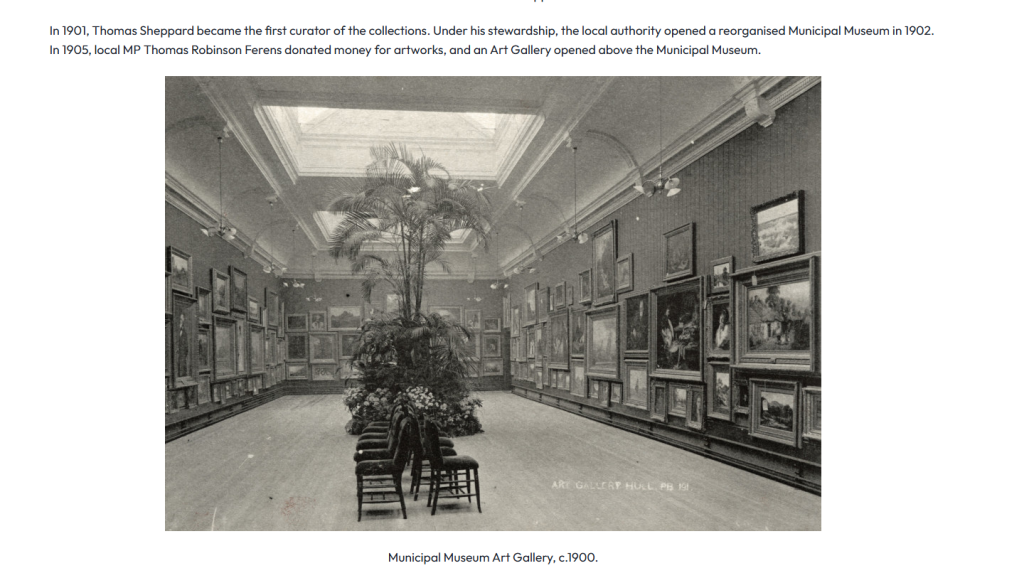
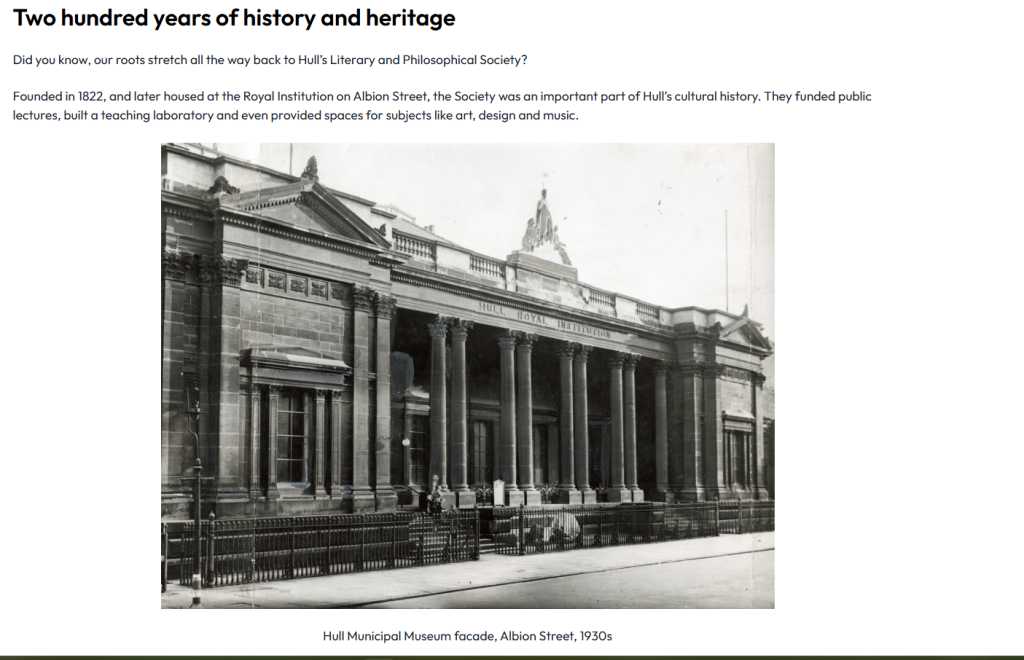
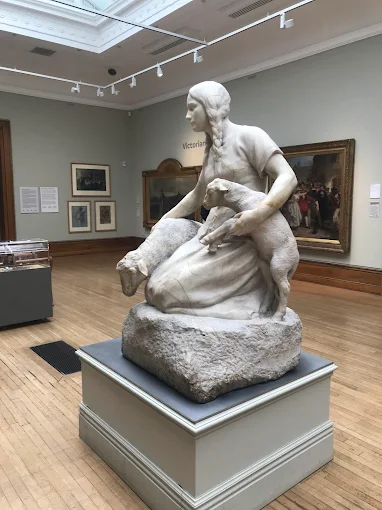
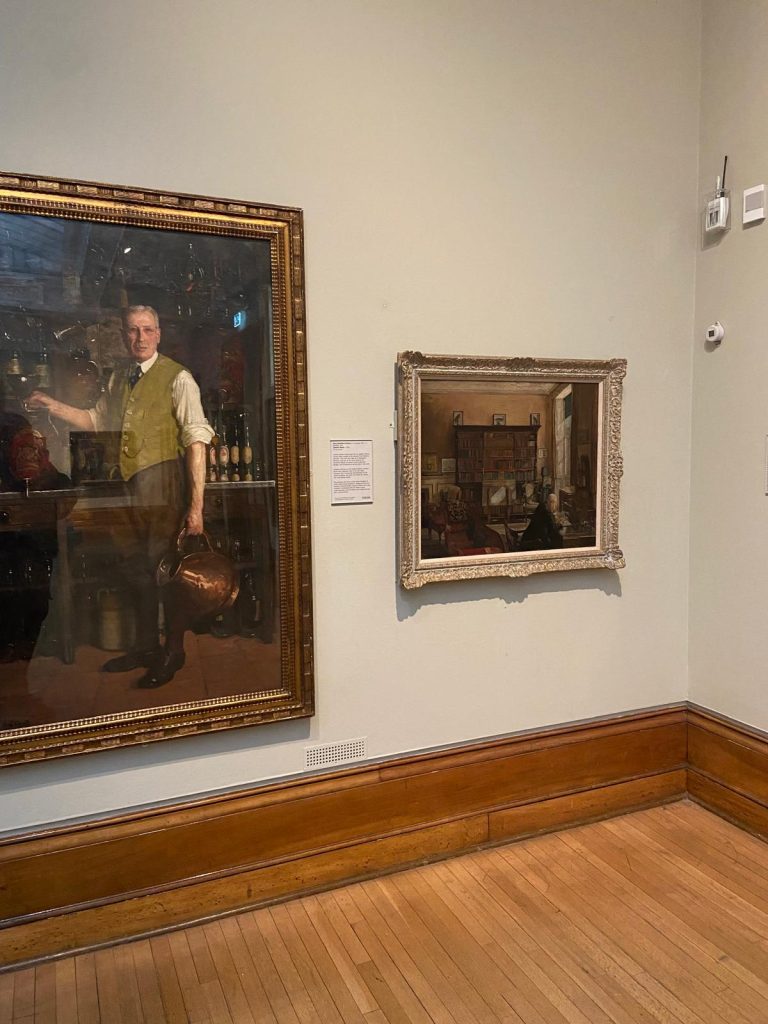
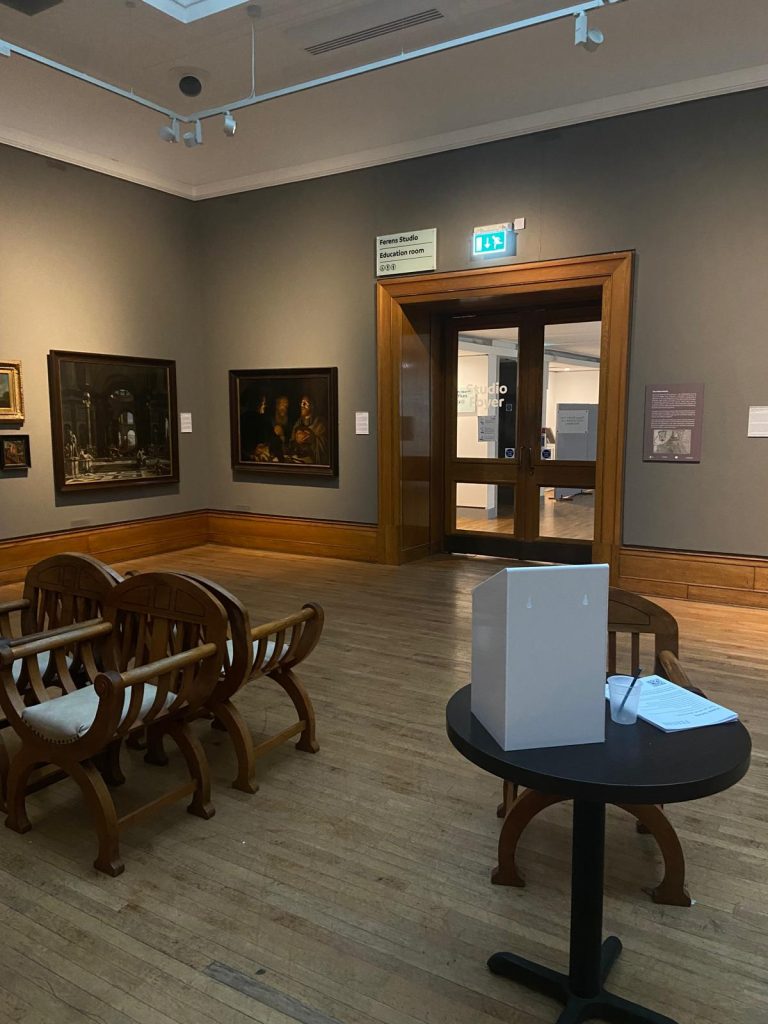
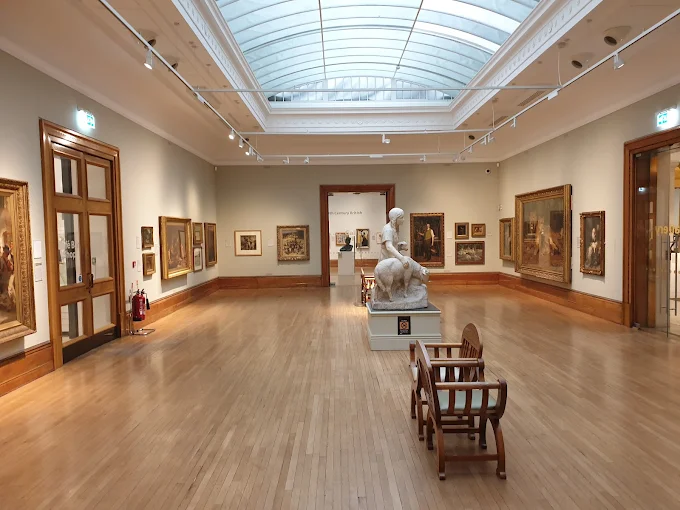
Upon entering the gallery, I observed that the reception area was open and welcoming, but the transition into the exhibition rooms was less intuitive. With fewer visitors present, it became clear that the gallery relies heavily on environmental cues rather than staff guidance or digital tools. The few visitors I did see moved slowly through the space, pausing at artworks before deciding which room to explore next. Their movement patterns suggested that navigation is largely self‑directed, with limited support from signage or maps.
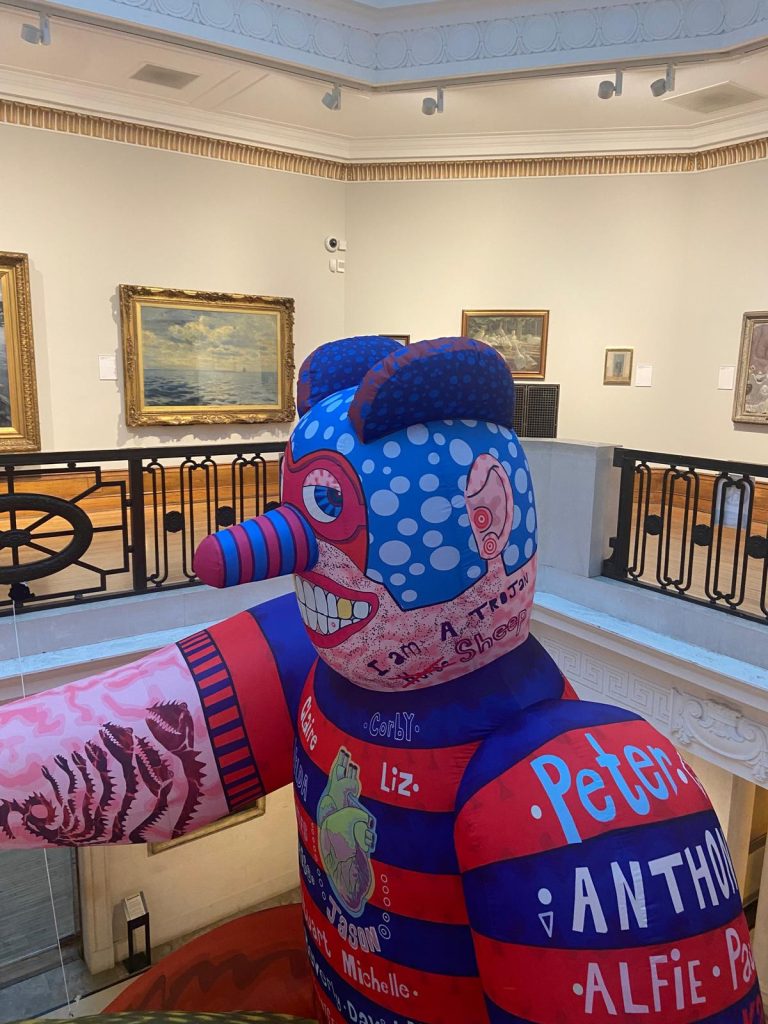
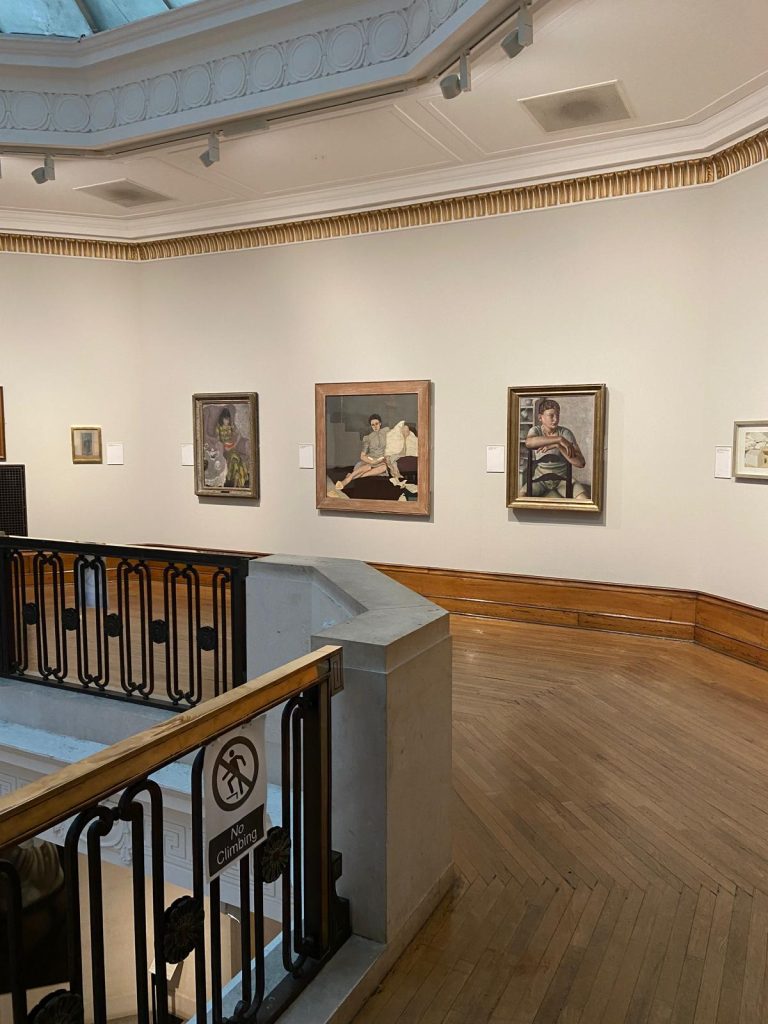
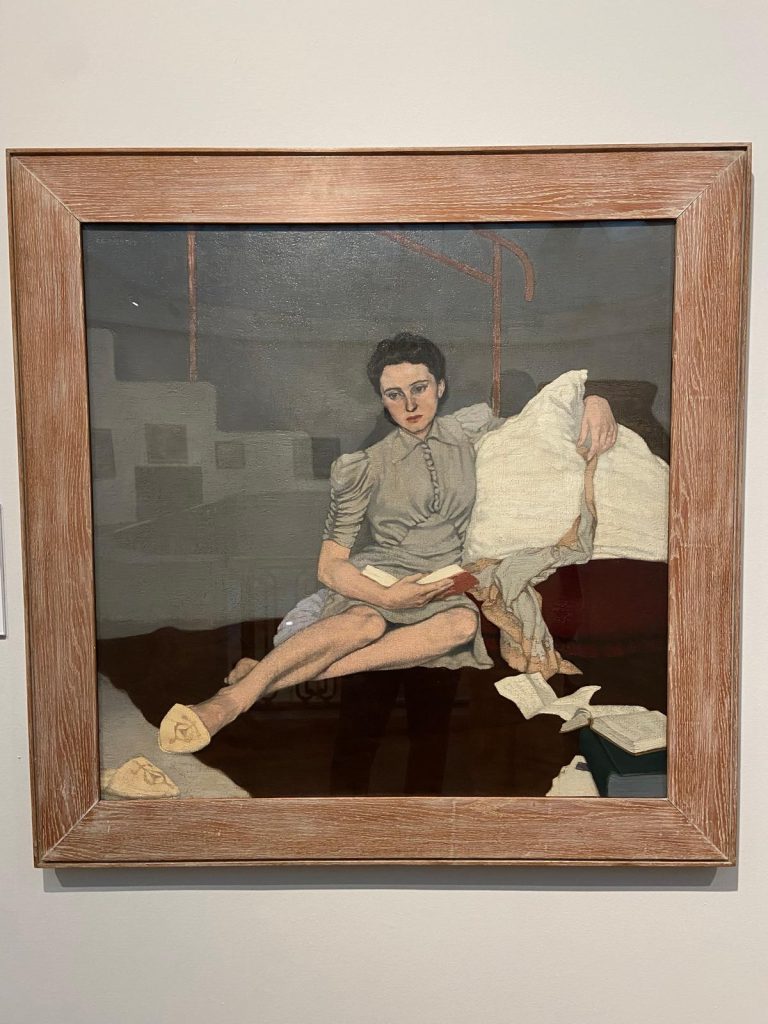
Wayfinding emerged as a key issue. Signage within Ferens is minimal, often small, and sometimes placed in locations that are easy to overlook. Room labels are present but not always clear, and directional arrows are sparse. This lack of strong visual guidance means visitors must rely on their own judgement to navigate the space. For individuals unfamiliar with the gallery, this could lead to confusion or missed exhibitions. This observation highlights an opportunity for a mobile app to provide an interactive map, clearer navigation tools, and contextual information.
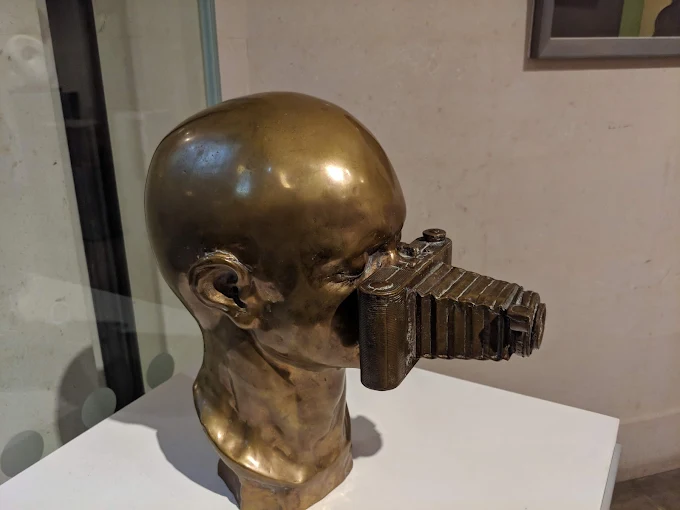
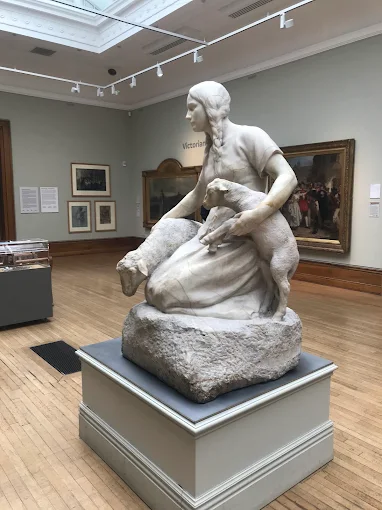
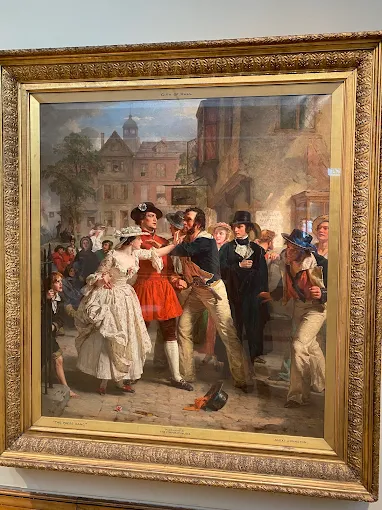
The gallery displays a wide range of art forms, including paintings, sculptures, photography, and temporary exhibitions. Each room has its own character, but the transitions between spaces can feel abrupt. Some artworks include detailed labels, while others offer only basic information. The inconsistency in the depth and clarity of information may affect how visitors engage with the art. A mobile app could address this by offering structured, accessible descriptions, artist profiles, and optional deeper content for those who want it.
Ferens also promotes events such as workshops, talks, and family activities. However, these are primarily advertised through posters near the entrance or printed leaflets. Visitors who do not stop to examine these materials may miss important information. A digital events calendar or push notifications could help users stay informed and plan their visit more effectively.
Environmental factors significantly shaped the visitor experience. Lighting varied between rooms, with some areas well‑lit and others noticeably dimmer, making labels harder to read. The overall low noise level created a calm atmosphere but also highlighted the lack of interactive or digital engagement opportunities. Accessibility appeared mixed: some rooms were spacious and easy to navigate, while others had narrow pathways that could be challenging for wheelchair users or families with pushchairs.

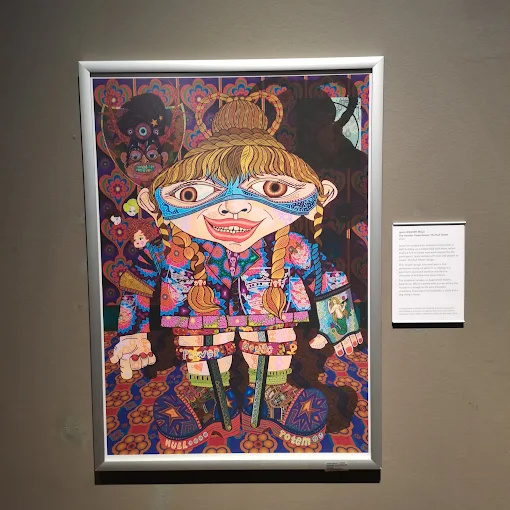
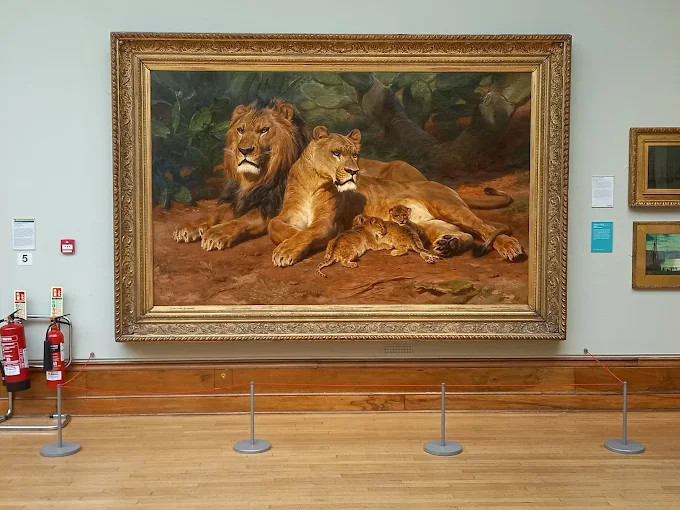
Overall, Ferens Art Gallery offers a welcoming and culturally rich environment, but it also presents several usability challenges. Limited wayfinding, inconsistent information, and under‑promoted events represent missed opportunities to enhance the visitor experience. These observations directly inform the design of the Urban Arts app, which will prioritise clear navigation, accessible artwork information, event visibility, and a more engaging digital experience to support visitors before and during their visit.
Ferens Art Gallery (n.d.) Ferens Art Gallery. Hull Museums. Available at: https://www.hullmuseums.co.uk/ferens-art-gallery (Accessed: 10 May 2026).
Tate (n.d.) Tate App. Tate. Available at: https://www.tate.org.uk (Accessed: 10 May 2026).
Museum of Modern Art (MoMA) (n.d.) MoMA. The Museum of Modern Art. Available at: https://www.moma.org (Accessed: 10 May 2026).
Nielsen Norman Group (2020) 10 Usability Heuristics for User Interface Design. Nielsen Norman Group. Available at:https://www.nngroup.com/articles/ten-usability-heuristics/ (Accessed: 12 May 2026).
W3C (2018) Web Content Accessibility Guidelines (WCAG) 2.1. World Wide Web Consortium. Available at: https://www.w3.org/TR/WCAG21 (Accessed: 12 May 2026).
